Buy cohousing.eu ?
We are moving the project
cohousing.eu .
Are you interested in purchasing the domain
cohousing.eu ?
domain@kv-gmbh.de · 0541-91531010
Buy cohousing.eu ?
How do you find co-parenting?
Co-parenting can be challenging, but it can also be rewarding when both parents are able to communicate effectively and prioritize the well-being of their children. It requires a lot of patience, compromise, and understanding from both parties. Setting clear boundaries and expectations, as well as maintaining open lines of communication, are key to successful co-parenting. It's important to focus on the needs of the children and work together to create a stable and supportive environment for them. **
How does the ex make co-parenting with the shared children difficult?
The ex makes co-parenting difficult by being uncooperative and uncommunicative. They may refuse to adhere to the agreed-upon custody schedule, make unilateral decisions without consulting the other parent, or use the children as pawns in their own personal conflicts. Additionally, the ex may badmouth the other parent in front of the children, creating tension and confusion for them. Overall, the ex's lack of cooperation and respect for the co-parenting relationship creates ongoing challenges and stress for both parents and the shared children. **

Similar search terms for Co-parenting
Top-Angebote
Products related to Co-parenting:
-
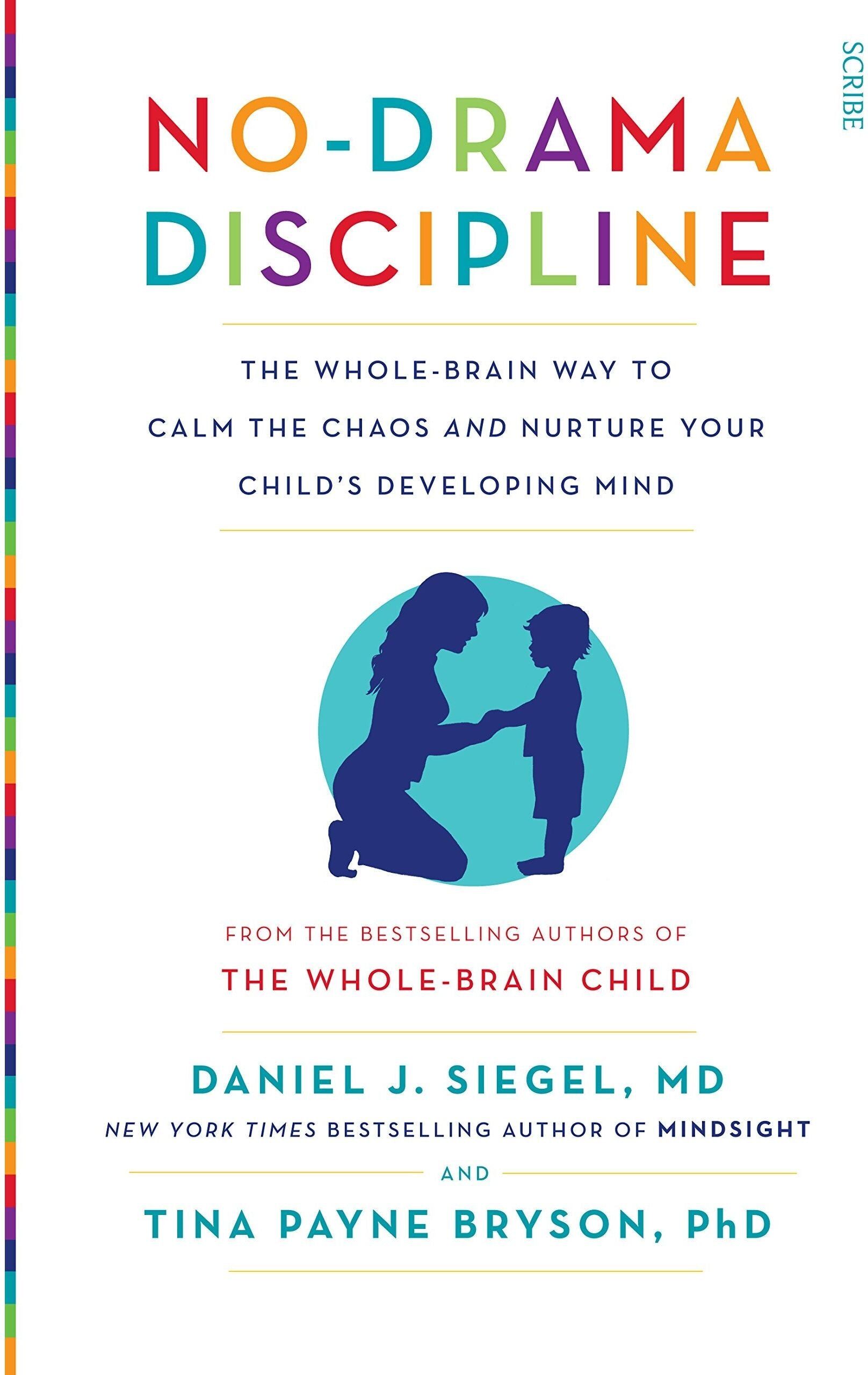
Scribe UK No-Drama Discipline: the bestselling parenting guide to nurturing your child's developing mind (Mindful Parenting)The pioneering experts behind the bestselling The Whole-Brain Child now explore the ultimate child-raising challenge: discipline. A breakfast bowl gets thrown across the kitchen, splattering milk and cereal all over the wall. Or one of your kids threatens a younger sibling. Or you get a call from the headteacher’s office for the third time this month. What do you do? No-Drama Discipline provides an effective, compassionate road map for dealing with such tantrums, tensions, and tears – without causing a scene. Based on recent discoveries about the brain that give us deep insights into the children we care for, what they need, and how to discipline them in ways that foster optimal development, this book offers a ‘relational’ approach that builds on children’s innate desire to please their parents and get along well with others. Complete with candid stories and playful illustrations that bring the authors’ suggestions to life, No-Drama Discipline presents clear messages in a practical and inviting format. Using these techniques, you can discipline your children in a way that’s high on relationship-building, high on respect, and low on drama and conflict. As a result, your life as a parent will be easier, and your parenting will become more effective. And more importantly, you’ll create connections in your children’s brains to build emotional and social skills that will serve them now and throughout their entire life – all while strengthening your relationship with them.5,99 £*Shipping: 2,99 £Secure redirect to the provider
-
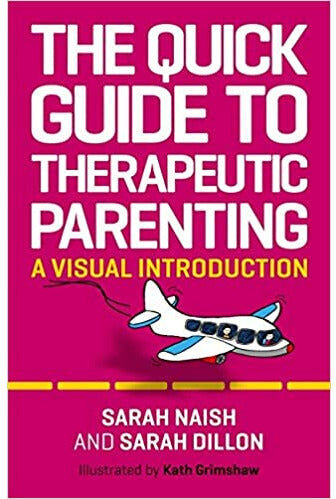
Jessica Kingsley Publishers The Quick Guide to Therapeutic Parenting: A Visual Introduction (Therapeutic Parenting Books) by Sarah NaishTherapeutic parenting is not your usual parenting style. It's a special, specific way to raise kids who have experienced trauma in their past, and requires a lot of commitment and determination - this is about far more than love and care.But where do you start?This book is the ideal first step for anyone who wants to understand how therapeutic parenting works. It offers simple summaries of the key ideas behind it, fully illustrated throughout with informative cartoons and graphics. Over 40 different issues are covered, from dysregulation and fear, to setting boundaries and parenting in the midst of trauma.The perfect introduction for new therapeutic parents, family members, teachers or other adults who need to help support you and your child, this Quick Guide will also be a source of inspiration for more experienced parents.13,20 £*Shipping: 2,99 £Secure redirect to the provider
-
Uplift Essentials Natural Bamboo Eco Friendly Toothbrush 10 Piece Sustainable Family Pack Natural Bamboo Eco Friendly Toothbrush 10 Piece Sustainable Family PackTransition to a greener routine with this Natural Bamboo Toothbrush Set, a premium collection of bamboo products designed to reduce environmental impact without compromising on performance. Each handle is crafted from 100% sustainable bamboo,...37,97 $*Shipping: 0,00 $Secure redirect to the provider
-
Lagom There's Still No Such Thing As 'Naughty': Parenting the Primary Years by Kate Silverton - Paperback - Sunday Times Bestselling Parenting GuideParenting the primary years can be a complex and challenging time for both children and parents. In 'There's Still No Such Thing As 'Naughty': Parenting the Primary Years', child therapist Kate Silverton offers a warm and evidence-based guide to help families navigate this pivotal stage together. Written for parents and carers of children aged five to twelve, this book provides practical and compassionate tools to tackle everyday challenges and support emotional growth. Drawing on the latest neuroscience and her own training as a child therapist, Kate Silverton provides a valuable resource for parents seeking to understand and support their children during this critical period of development.8,99 £*Shipping: 2,99 £Secure redirect to the provider


-
Is shared parenting possible?
Yes, shared parenting is possible and can be successful when both parents are committed to working together for the well-being of their children. It requires open communication, flexibility, and a willingness to put the needs of the children first. Shared parenting can provide children with the opportunity to have meaningful relationships with both parents and can help to minimize the negative effects of divorce or separation. With the right support and cooperation, shared parenting can be a positive and effective arrangement for families. **
-
Who decides on the shared parenting model?
The decision on the shared parenting model is typically made by the parents themselves, either through mutual agreement or with the help of a mediator or family court. The best interests of the child are usually the primary consideration in determining the parenting arrangement. Factors such as the child's age, relationship with each parent, and the ability of the parents to cooperate and communicate effectively are taken into account when deciding on a shared parenting model. Ultimately, the goal is to create a parenting plan that promotes the child's well-being and allows both parents to be actively involved in their child's life. **
-
Is the shared parenting model good for children?
The shared parenting model can be beneficial for children in many cases. It allows children to maintain strong relationships with both parents, which can provide them with stability, consistency, and emotional support. Additionally, it can help children feel a sense of security and belonging when they have equal time with both parents. However, the success of the shared parenting model depends on the ability of the parents to communicate effectively, cooperate, and prioritize the well-being of their children. **
-
What should be considered in the shared parenting model?
In a shared parenting model, several factors should be considered to ensure the well-being of the children involved. First and foremost, the children's best interests should be the top priority, taking into account their age, needs, and preferences. Clear communication and cooperation between the parents are essential to make the shared parenting arrangement work effectively. Flexibility and consistency in parenting styles, routines, and rules between both households are also crucial for the children's stability and sense of security. Additionally, a shared parenting plan should outline practical arrangements for logistics, decision-making, and conflict resolution to minimize disruptions and promote a healthy co-parenting relationship. **

What is the shared parenting model for comfortable parents?
The shared parenting model for comfortable parents involves both parents actively participating in the upbringing of their children. This model promotes open communication, cooperation, and collaboration between parents to ensure that both are equally involved in decision-making and caregiving responsibilities. Comfortable parents in this model prioritize the well-being and best interests of their children above all else, working together to create a stable and supportive environment for their children to thrive. By sharing responsibilities and maintaining a positive co-parenting relationship, parents can provide a sense of security and consistency for their children despite living in separate households. **
What is the dispute about the shared parenting model?
The dispute about the shared parenting model revolves around the belief that it may not always be in the best interest of the child. Critics argue that in cases involving domestic violence, substance abuse, or high conflict between parents, shared parenting could potentially expose the child to harmful situations. On the other hand, proponents of shared parenting argue that it promotes the child's well-being by allowing them to maintain strong relationships with both parents, as long as it is implemented in a safe and healthy environment. Ultimately, the debate centers on finding a balance between the benefits of shared parenting and the potential risks it may pose in certain situations. **
Top-Angebote
Products related to Co-parenting:
-
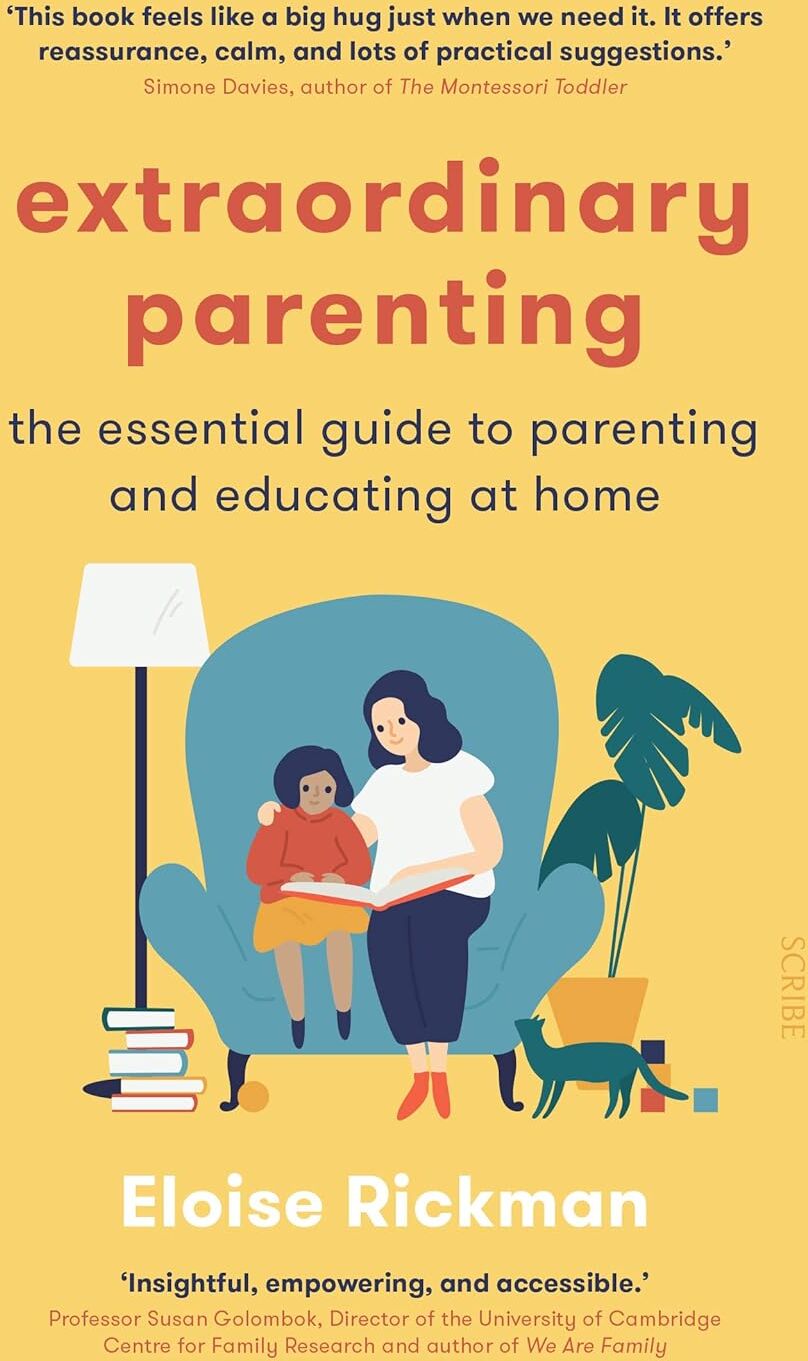
Scribe UK Extraordinary Parenting: The Essential Guide to Parenting and Educating at Home by Eloise Rickman - Paperback - Home Education & Parenting GuideA warm and practical companion for families choosing to learn together outside the classroom, this guide by Eloise Rickman offers reassurance, real strategies, and a rights-based approach to raising confident, independent children. Written by an experienced parenting coach, it moves past rigid timetables and worksheets, showing parents how genuine connection, secure routines, and a simplified home can spark curiosity naturally. Whether you're a full-time home educator or want more intentional learning in everyday life, this guide explores how everyday family life can become the richest classroom of all, drawing on the author's experience supporting home-educating families to explain how secure attachment underpins genuine curiosity and lifelong learning.5,49 £*Shipping: 2,99 £Secure redirect to the provider
-
Transworld Publishers Ltd Books about parenting, The Unmumsy Mum A-Z - An Inexpert Guide to Parenting by Sarah Turner (Parenting Guide Book)From bestselling author and massively popular blogger The Unmumsy Mum comes this hilarious, irreverent and searingly candid compendium of parenting experiences. With entries including D is for Desperation, F is for Fish Fingers, S is for Supermum and V is for Vagina, it is safe to say this is not your average A-Z. This book wont tell you what sort of parent you should or should not be; instead, it offers a refreshingly honest account of what being a mum to three young children is really like and the surprising lessons that have been learned along the way. If you feel as though you are not measuring up or are struggling to cherish every moment, Sarah tales from the thick of it will reassure and resonate with you. Above all, her commitment to telling the truth, the whole truth and nothing but the truth will make you laugh out loud and remind you that you are, in fact, doing a great job. What readers are saying: For all parents out there, this is a must read. Absolutely hilarious and so true to life. 100 recommend. Makes me smile and actually keeps me sane as it is so easy to relate to. It made me laugh Sleeping through, it made me cry Xmas and it made me feel better about the times I think I am getting it wrong.1,99 £*Shipping: 1,99 £Secure redirect to the provider
-
Scribe UK No-Drama Discipline: the bestselling parenting guide to nurturing your child's developing mind (Mindful Parenting)The pioneering experts behind the bestselling The Whole-Brain Child now explore the ultimate child-raising challenge: discipline. A breakfast bowl gets thrown across the kitchen, splattering milk and cereal all over the wall. Or one of your kids threatens a younger sibling. Or you get a call from the headteacher’s office for the third time this month. What do you do? No-Drama Discipline provides an effective, compassionate road map for dealing with such tantrums, tensions, and tears – without causing a scene. Based on recent discoveries about the brain that give us deep insights into the children we care for, what they need, and how to discipline them in ways that foster optimal development, this book offers a ‘relational’ approach that builds on children’s innate desire to please their parents and get along well with others. Complete with candid stories and playful illustrations that bring the authors’ suggestions to life, No-Drama Discipline presents clear messages in a practical and inviting format. Using these techniques, you can discipline your children in a way that’s high on relationship-building, high on respect, and low on drama and conflict. As a result, your life as a parent will be easier, and your parenting will become more effective. And more importantly, you’ll create connections in your children’s brains to build emotional and social skills that will serve them now and throughout their entire life – all while strengthening your relationship with them.5,99 £*Shipping: 2,99 £Secure redirect to the provider
-
Jessica Kingsley Publishers The Quick Guide to Therapeutic Parenting: A Visual Introduction (Therapeutic Parenting Books) by Sarah NaishTherapeutic parenting is not your usual parenting style. It's a special, specific way to raise kids who have experienced trauma in their past, and requires a lot of commitment and determination - this is about far more than love and care.But where do you start?This book is the ideal first step for anyone who wants to understand how therapeutic parenting works. It offers simple summaries of the key ideas behind it, fully illustrated throughout with informative cartoons and graphics. Over 40 different issues are covered, from dysregulation and fear, to setting boundaries and parenting in the midst of trauma.The perfect introduction for new therapeutic parents, family members, teachers or other adults who need to help support you and your child, this Quick Guide will also be a source of inspiration for more experienced parents.13,20 £*Shipping: 2,99 £Secure redirect to the provider
-
How do you find co-parenting?
Co-parenting can be challenging, but it can also be rewarding when both parents are able to communicate effectively and prioritize the well-being of their children. It requires a lot of patience, compromise, and understanding from both parties. Setting clear boundaries and expectations, as well as maintaining open lines of communication, are key to successful co-parenting. It's important to focus on the needs of the children and work together to create a stable and supportive environment for them. **
-
How does the ex make co-parenting with the shared children difficult?
The ex makes co-parenting difficult by being uncooperative and uncommunicative. They may refuse to adhere to the agreed-upon custody schedule, make unilateral decisions without consulting the other parent, or use the children as pawns in their own personal conflicts. Additionally, the ex may badmouth the other parent in front of the children, creating tension and confusion for them. Overall, the ex's lack of cooperation and respect for the co-parenting relationship creates ongoing challenges and stress for both parents and the shared children. **
-
Is shared parenting possible?
Yes, shared parenting is possible and can be successful when both parents are committed to working together for the well-being of their children. It requires open communication, flexibility, and a willingness to put the needs of the children first. Shared parenting can provide children with the opportunity to have meaningful relationships with both parents and can help to minimize the negative effects of divorce or separation. With the right support and cooperation, shared parenting can be a positive and effective arrangement for families. **
-
Who decides on the shared parenting model?
The decision on the shared parenting model is typically made by the parents themselves, either through mutual agreement or with the help of a mediator or family court. The best interests of the child are usually the primary consideration in determining the parenting arrangement. Factors such as the child's age, relationship with each parent, and the ability of the parents to cooperate and communicate effectively are taken into account when deciding on a shared parenting model. Ultimately, the goal is to create a parenting plan that promotes the child's well-being and allows both parents to be actively involved in their child's life. **
Similar search terms for Co-parenting
-
Uplift Essentials Natural Bamboo Eco Friendly Toothbrush 10 Piece Sustainable Family Pack Natural Bamboo Eco Friendly Toothbrush 10 Piece Sustainable Family PackTransition to a greener routine with this Natural Bamboo Toothbrush Set, a premium collection of bamboo products designed to reduce environmental impact without compromising on performance. Each handle is crafted from 100% sustainable bamboo,...37,97 $*Shipping: 0,00 $Secure redirect to the provider
-
Lagom There's Still No Such Thing As 'Naughty': Parenting the Primary Years by Kate Silverton - Paperback - Sunday Times Bestselling Parenting GuideParenting the primary years can be a complex and challenging time for both children and parents. In 'There's Still No Such Thing As 'Naughty': Parenting the Primary Years', child therapist Kate Silverton offers a warm and evidence-based guide to help families navigate this pivotal stage together. Written for parents and carers of children aged five to twelve, this book provides practical and compassionate tools to tackle everyday challenges and support emotional growth. Drawing on the latest neuroscience and her own training as a child therapist, Kate Silverton provides a valuable resource for parents seeking to understand and support their children during this critical period of development.8,99 £*Shipping: 2,99 £Secure redirect to the provider
-
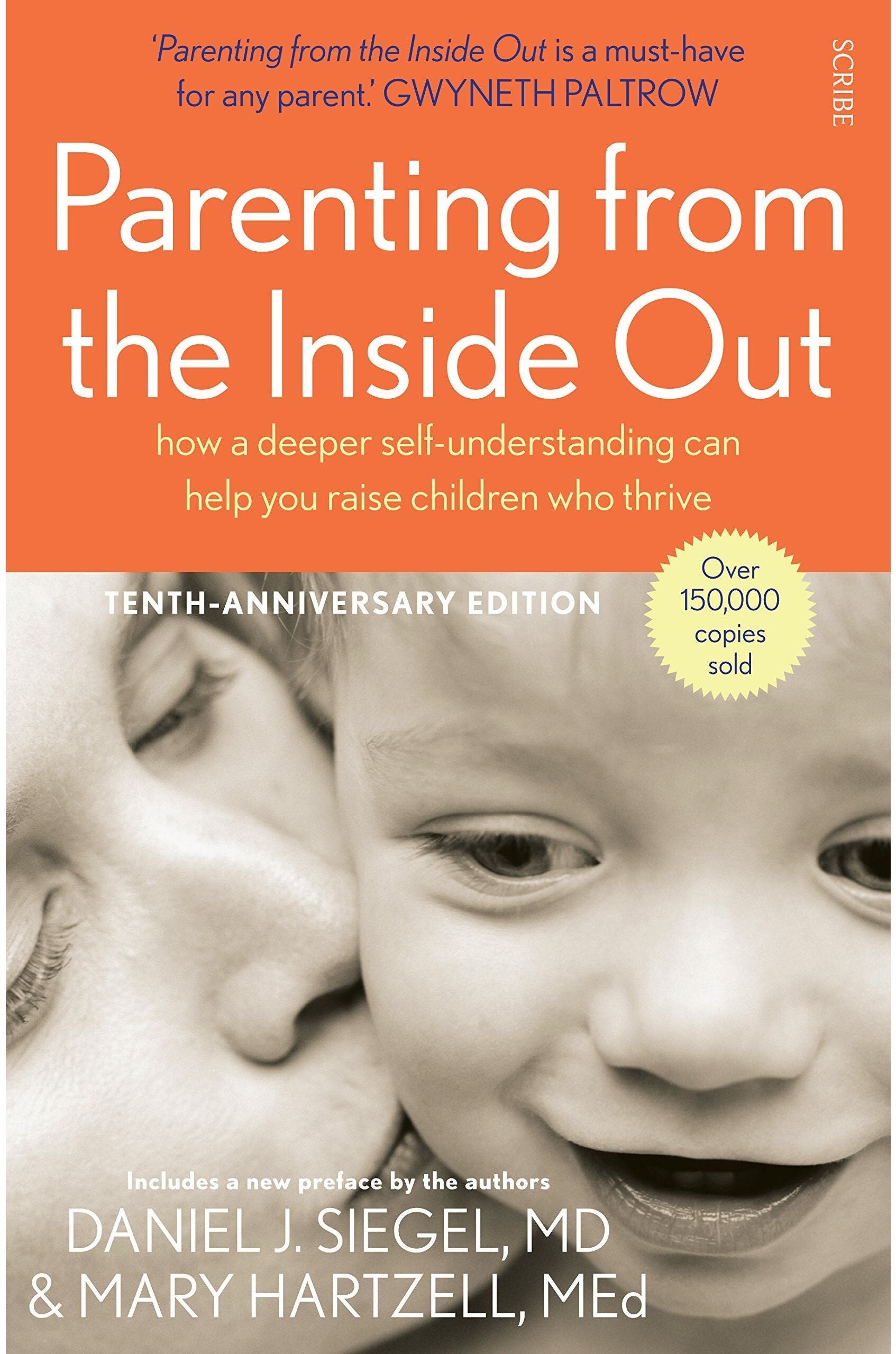
Scribe UK Parenting from the Inside Out: how a deeper self-understanding can help you raise children who thrive (Mindful Parenting)An updated edition of the parenting classic Have you ever thought: ‘I can’t believe I just said to my child the very thing my parents used to say to me! Am I destined to repeat the mistakes of my parents?’ In Parenting from the Inside Out, child psychiatrist Daniel J. Siegel and early-childhood expert Mary Hartzell explore how our childhood experiences shape the way we parent. Drawing on stunning new findings in neurobiology and attachment research, they explain how interpersonal relationships affect the development of the brain, and offer a step-by-step approach to forming a deeper understanding of our life stories, which will help us raise compassionate and resilient children. Combining Siegel’s cutting-edge neuroscience research with Hartzell’s 30 years of experience as a child-development specialist and parent educator, Parenting from the Inside Out guides us through creating the necessary foundations for secure and loving relationships with our children. This tenth-anniversary edition includes a new preface by the authors and incorporates the latest research from the field.7,99 £*Shipping: 2,99 £Secure redirect to the provider
-
Scribe Publications Parenting From The Inside Out by Daniel J. Siegel & Mary Hartzell - Paperback - 10th Anniversary Edition - Mindful Parenting Guide for NewParenting from the inside out is a landmark parenting guide from child psychiatrist Daniel J. Siegel and early-childhood expert Mary Hartzell. This tenth-anniversary paperback edition explores how your own childhood shapes the way you raise your children, pairing neurobiology with real-world guidance. The book examines how our earliest attachment experiences and unresolved patterns influence the way we respond to our own children, drawing on neurobiology and attachment research. It offers a practical route to self-understanding that helps you build secure, loving relationships and raise emotionally resilient children who genuinely thrive. Published by Scribe Publications, this book is ideal for new parents, experienced caregivers, therapists, and educators seeking a compassionate and structured approach to parenting.9,99 £*Shipping: 2,99 £Secure redirect to the provider
-
Is the shared parenting model good for children?
The shared parenting model can be beneficial for children in many cases. It allows children to maintain strong relationships with both parents, which can provide them with stability, consistency, and emotional support. Additionally, it can help children feel a sense of security and belonging when they have equal time with both parents. However, the success of the shared parenting model depends on the ability of the parents to communicate effectively, cooperate, and prioritize the well-being of their children. **
-
What should be considered in the shared parenting model?
In a shared parenting model, several factors should be considered to ensure the well-being of the children involved. First and foremost, the children's best interests should be the top priority, taking into account their age, needs, and preferences. Clear communication and cooperation between the parents are essential to make the shared parenting arrangement work effectively. Flexibility and consistency in parenting styles, routines, and rules between both households are also crucial for the children's stability and sense of security. Additionally, a shared parenting plan should outline practical arrangements for logistics, decision-making, and conflict resolution to minimize disruptions and promote a healthy co-parenting relationship. **
-
What is the shared parenting model for comfortable parents?
The shared parenting model for comfortable parents involves both parents actively participating in the upbringing of their children. This model promotes open communication, cooperation, and collaboration between parents to ensure that both are equally involved in decision-making and caregiving responsibilities. Comfortable parents in this model prioritize the well-being and best interests of their children above all else, working together to create a stable and supportive environment for their children to thrive. By sharing responsibilities and maintaining a positive co-parenting relationship, parents can provide a sense of security and consistency for their children despite living in separate households. **
-
What is the dispute about the shared parenting model?
The dispute about the shared parenting model revolves around the belief that it may not always be in the best interest of the child. Critics argue that in cases involving domestic violence, substance abuse, or high conflict between parents, shared parenting could potentially expose the child to harmful situations. On the other hand, proponents of shared parenting argue that it promotes the child's well-being by allowing them to maintain strong relationships with both parents, as long as it is implemented in a safe and healthy environment. Ultimately, the debate centers on finding a balance between the benefits of shared parenting and the potential risks it may pose in certain situations. **
* All prices are inclusive of VAT and, if applicable, plus shipping costs. The offer information is based on the details provided by the respective shop and is updated through automated processes. Real-time updates do not occur, so deviations can occur in individual cases. ** Note: Parts of this content were created by AI.