Buy cohousing.eu ?
We are moving the project
cohousing.eu .
Are you interested in purchasing the domain
cohousing.eu ?
domain@kv-gmbh.de · 0541-91531010
Buy cohousing.eu ?
Why don't eco-friendly women shave?
Eco-friendly women may choose not to shave for a variety of reasons related to sustainability and environmental impact. Shaving requires the use of disposable razors, which contribute to plastic waste in landfills. Additionally, the production and transportation of shaving products can have a significant carbon footprint. By opting not to shave, eco-friendly women can reduce their personal contribution to waste and carbon emissions, aligning with their values of environmental conservation. **
How can one heat the bathroom in an environmentally friendly way?
One way to heat the bathroom in an environmentally friendly way is to install a programmable thermostat that can be set to lower the temperature when the bathroom is not in use. This can help reduce energy consumption and lower heating costs. Additionally, using a heated towel rack can provide warmth in the bathroom without having to turn up the thermostat. Another option is to use a space heater with a timer to heat the bathroom only when needed, and to ensure it is turned off when not in use. Finally, improving insulation in the bathroom and using energy-efficient windows can help retain heat and reduce the need for excessive heating. **
Similar search terms for Heat
Top-Angebote
Products related to Heat:
-
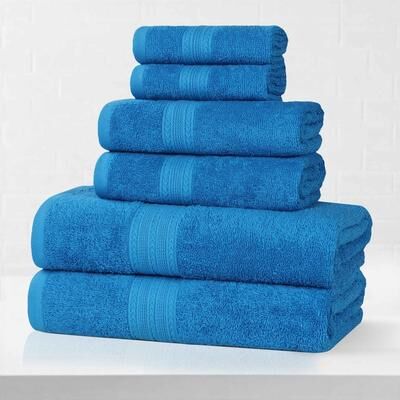
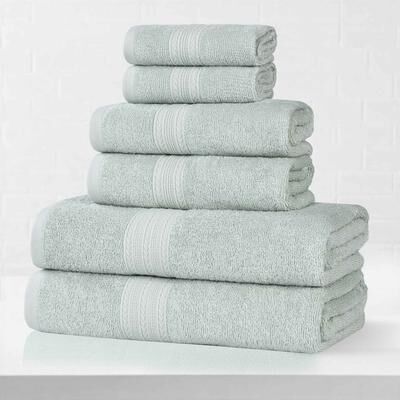
Superior Eco-Friendly Sustainable Cotton 6-Piece Bathroom Towel SetMade with incredibly soft recycled cotton, the Eco-Friendly Sustainable Cotton Bathroom Towel Set is the perfect green addition to any bathroom space. Our sustainable Cotton towels have a lightweight to get you dry quickly after a shower or bath.40,04 $*Shipping: 0,00 $Secure redirect to the provider
-
Superior Eco-Friendly Sustainable Cotton 6-Piece Bathroom Towel SetMade with incredibly soft recycled cotton, the Eco-Friendly Sustainable Cotton Bathroom Towel Set is the perfect green addition to any bathroom space. Our sustainable Cotton towels have a lightweight to get you dry quickly after a shower or bath.43,64 $*Shipping: 0,00 $Secure redirect to the provider
-
Superior Eco-Friendly Sustainable Cotton 6-Piece Bathroom Towel SetMade with incredibly soft recycled cotton, the Eco-Friendly Sustainable Cotton Bathroom Towel Set is the perfect green addition to any bathroom space. Our sustainable Cotton towels have a lightweight to get you dry quickly after a shower or bath.43,16 $*Shipping: 0,00 $Secure redirect to the provider
-
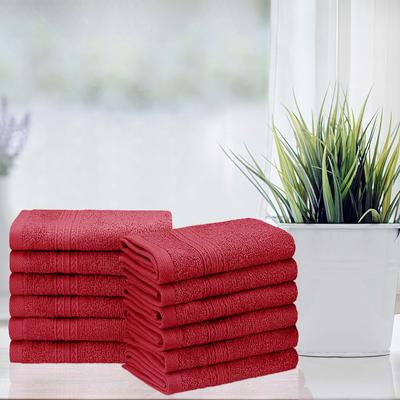
Eco-Friendly Sustainable Cotton Washcloth by Superior (Set of 12)Made with incredibly soft recycled cotton, the Eco-Friendly Sustainable Cotton Bathroom Towel Set is the perfect green addition to any bathroom space. Our sustainable Cotton towels have a lightweight to get you dry quickly after a shower or bath.24,48 $*Shipping: 0,00 $Secure redirect to the provider


-
Which eco-friendly diapers are the best?
The best eco-friendly diapers are those that are made from sustainable materials such as bamboo, organic cotton, or plant-based fibers. Brands like Bambo Nature, Eco by Naty, and Seventh Generation are popular choices for their commitment to using environmentally friendly materials and reducing their carbon footprint. It's important to look for diapers that are free from harmful chemicals, dyes, and fragrances to ensure they are safe for both your baby and the environment. Ultimately, the best eco-friendly diaper will depend on your personal preferences and values, so it's worth trying a few different brands to see which one works best for you and your baby. **
-
What is heat conduction and heat convection?
Heat conduction is the transfer of heat through a material or between materials that are in direct contact with each other. It occurs through the vibration and collision of atoms and molecules, leading to the transfer of thermal energy. On the other hand, heat convection is the transfer of heat through the movement of fluids, such as air or water. This occurs as warmer, less dense fluid rises and cooler, denser fluid sinks, creating a continuous circulation of heat transfer. Both heat conduction and heat convection are important mechanisms for the transfer of heat in various natural and engineered systems. **
-
Which material absorbs heat without storing heat?
A material that absorbs heat without storing it is one that has a high thermal conductivity and low heat capacity. This means that it can quickly absorb heat and transfer it away without retaining much of the heat energy. Examples of such materials include metals like aluminum and copper, as well as certain types of ceramics and carbon-based materials. These materials are often used in applications where rapid heat absorption and dissipation are required, such as in heat sinks for electronic devices or in cooking utensils. **
-
Does a pure electric heating system meet the new requirements for sustainable heat generation?
Yes, a pure electric heating system can meet the new requirements for sustainable heat generation. With the increasing use of renewable energy sources such as solar and wind power, electric heating systems can be powered by clean energy, reducing their carbon footprint. Additionally, electric heating systems are highly efficient and can be easily integrated with smart technology for better energy management. However, it is important to consider the overall energy mix and the source of electricity to ensure that it is truly sustainable. **

What is heat transfer in a heat exchanger?
Heat transfer in a heat exchanger is the process of exchanging thermal energy between two fluids at different temperatures. This transfer occurs through conduction, convection, or radiation, depending on the design of the heat exchanger. The goal of heat transfer in a heat exchanger is to efficiently and effectively transfer heat from one fluid to another, either to heat or cool the fluids involved. This process is essential in various industrial and commercial applications, such as HVAC systems, refrigeration, and power generation. **
How much heat does a heat radiator produce?
The amount of heat produced by a heat radiator depends on its size, design, and the temperature of the water or steam flowing through it. Generally, a heat radiator can produce enough heat to warm up a room or a specific area within a building. The heat output is measured in British Thermal Units (BTUs) or watts, and can vary depending on the specific model and its intended use. It's important to consider the heat output of a radiator when selecting the right one for a particular space. **
Top-Angebote
Products related to Heat:
-
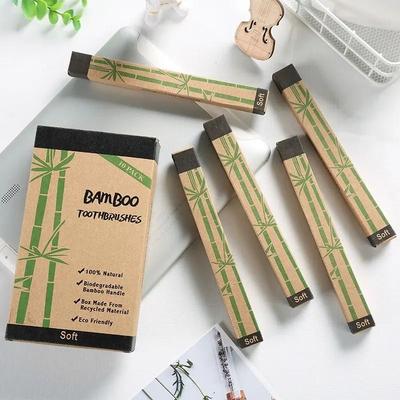
Uplift Essentials Natural Bamboo Eco Friendly Toothbrush 10 Piece Sustainable Family Pack Natural Bamboo Eco Friendly Toothbrush 10 Piece Sustainable Family PackTransition to a greener routine with this Natural Bamboo Toothbrush Set, a premium collection of bamboo products designed to reduce environmental impact without compromising on performance. Each handle is crafted from 100% sustainable bamboo,...37,97 $*Shipping: 0,00 $Secure redirect to the provider
-
Superior Eco-Friendly Sustainable Cotton 6-Piece Bathroom Towel SetMade with incredibly soft recycled cotton, the Eco-Friendly Sustainable Cotton Bathroom Towel Set is the perfect green addition to any bathroom space. Our sustainable Cotton towels have a lightweight to get you dry quickly after a shower or bath.43,64 $*Shipping: 0,00 $Secure redirect to the provider
-
Superior Eco-Friendly Sustainable Cotton 6-Piece Bathroom Towel SetMade with incredibly soft recycled cotton, the Eco-Friendly Sustainable Cotton Bathroom Towel Set is the perfect green addition to any bathroom space. Our sustainable Cotton towels have a lightweight to get you dry quickly after a shower or bath.40,04 $*Shipping: 0,00 $Secure redirect to the provider
-
Superior Eco-Friendly Sustainable Cotton 6-Piece Bathroom Towel SetMade with incredibly soft recycled cotton, the Eco-Friendly Sustainable Cotton Bathroom Towel Set is the perfect green addition to any bathroom space. Our sustainable Cotton towels have a lightweight to get you dry quickly after a shower or bath.43,64 $*Shipping: 0,00 $Secure redirect to the provider
-
Why don't eco-friendly women shave?
Eco-friendly women may choose not to shave for a variety of reasons related to sustainability and environmental impact. Shaving requires the use of disposable razors, which contribute to plastic waste in landfills. Additionally, the production and transportation of shaving products can have a significant carbon footprint. By opting not to shave, eco-friendly women can reduce their personal contribution to waste and carbon emissions, aligning with their values of environmental conservation. **
-
How can one heat the bathroom in an environmentally friendly way?
One way to heat the bathroom in an environmentally friendly way is to install a programmable thermostat that can be set to lower the temperature when the bathroom is not in use. This can help reduce energy consumption and lower heating costs. Additionally, using a heated towel rack can provide warmth in the bathroom without having to turn up the thermostat. Another option is to use a space heater with a timer to heat the bathroom only when needed, and to ensure it is turned off when not in use. Finally, improving insulation in the bathroom and using energy-efficient windows can help retain heat and reduce the need for excessive heating. **
-
Which eco-friendly diapers are the best?
The best eco-friendly diapers are those that are made from sustainable materials such as bamboo, organic cotton, or plant-based fibers. Brands like Bambo Nature, Eco by Naty, and Seventh Generation are popular choices for their commitment to using environmentally friendly materials and reducing their carbon footprint. It's important to look for diapers that are free from harmful chemicals, dyes, and fragrances to ensure they are safe for both your baby and the environment. Ultimately, the best eco-friendly diaper will depend on your personal preferences and values, so it's worth trying a few different brands to see which one works best for you and your baby. **
-
What is heat conduction and heat convection?
Heat conduction is the transfer of heat through a material or between materials that are in direct contact with each other. It occurs through the vibration and collision of atoms and molecules, leading to the transfer of thermal energy. On the other hand, heat convection is the transfer of heat through the movement of fluids, such as air or water. This occurs as warmer, less dense fluid rises and cooler, denser fluid sinks, creating a continuous circulation of heat transfer. Both heat conduction and heat convection are important mechanisms for the transfer of heat in various natural and engineered systems. **
Similar search terms for Heat
-
Superior Eco-Friendly Sustainable Cotton 6-Piece Bathroom Towel SetMade with incredibly soft recycled cotton, the Eco-Friendly Sustainable Cotton Bathroom Towel Set is the perfect green addition to any bathroom space. Our sustainable Cotton towels have a lightweight to get you dry quickly after a shower or bath.43,16 $*Shipping: 0,00 $Secure redirect to the provider
-
Eco-Friendly Sustainable Cotton Washcloth by Superior (Set of 12)Made with incredibly soft recycled cotton, the Eco-Friendly Sustainable Cotton Bathroom Towel Set is the perfect green addition to any bathroom space. Our sustainable Cotton towels have a lightweight to get you dry quickly after a shower or bath.24,48 $*Shipping: 0,00 $Secure redirect to the provider
-
Eco-Friendly Sustainable Cotton Washcloth by Superior (Set of 12)Made with incredibly soft recycled cotton, the Eco-Friendly Sustainable Cotton Bathroom Towel Set is the perfect green addition to any bathroom space. Our sustainable Cotton towels have a lightweight to get you dry quickly after a shower or bath.22,32 $*Shipping: 0,00 $Secure redirect to the provider
-
Eco-Friendly Sustainable Cotton Washcloth by Superior (Set of 12)Made with incredibly soft recycled cotton, the Eco-Friendly Sustainable Cotton Bathroom Towel Set is the perfect green addition to any bathroom space. Our sustainable Cotton towels have a lightweight to get you dry quickly after a shower or bath.26,62 $*Shipping: 0,00 $Secure redirect to the provider
-
Which material absorbs heat without storing heat?
A material that absorbs heat without storing it is one that has a high thermal conductivity and low heat capacity. This means that it can quickly absorb heat and transfer it away without retaining much of the heat energy. Examples of such materials include metals like aluminum and copper, as well as certain types of ceramics and carbon-based materials. These materials are often used in applications where rapid heat absorption and dissipation are required, such as in heat sinks for electronic devices or in cooking utensils. **
-
Does a pure electric heating system meet the new requirements for sustainable heat generation?
Yes, a pure electric heating system can meet the new requirements for sustainable heat generation. With the increasing use of renewable energy sources such as solar and wind power, electric heating systems can be powered by clean energy, reducing their carbon footprint. Additionally, electric heating systems are highly efficient and can be easily integrated with smart technology for better energy management. However, it is important to consider the overall energy mix and the source of electricity to ensure that it is truly sustainable. **
-
What is heat transfer in a heat exchanger?
Heat transfer in a heat exchanger is the process of exchanging thermal energy between two fluids at different temperatures. This transfer occurs through conduction, convection, or radiation, depending on the design of the heat exchanger. The goal of heat transfer in a heat exchanger is to efficiently and effectively transfer heat from one fluid to another, either to heat or cool the fluids involved. This process is essential in various industrial and commercial applications, such as HVAC systems, refrigeration, and power generation. **
-
How much heat does a heat radiator produce?
The amount of heat produced by a heat radiator depends on its size, design, and the temperature of the water or steam flowing through it. Generally, a heat radiator can produce enough heat to warm up a room or a specific area within a building. The heat output is measured in British Thermal Units (BTUs) or watts, and can vary depending on the specific model and its intended use. It's important to consider the heat output of a radiator when selecting the right one for a particular space. **
* All prices are inclusive of VAT and, if applicable, plus shipping costs. The offer information is based on the details provided by the respective shop and is updated through automated processes. Real-time updates do not occur, so deviations can occur in individual cases. ** Note: Parts of this content were created by AI.